
THE RECYCLING PROCESS
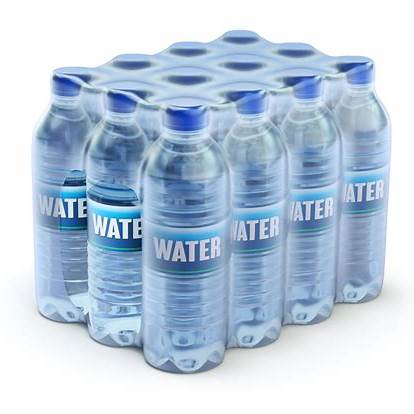
Polypropylene is widely used in everyday products, including many types of packaging. When suitable post-consumer polypropylene is recovered and recycled, it can be processed into raw material for new products rather than becoming waste.
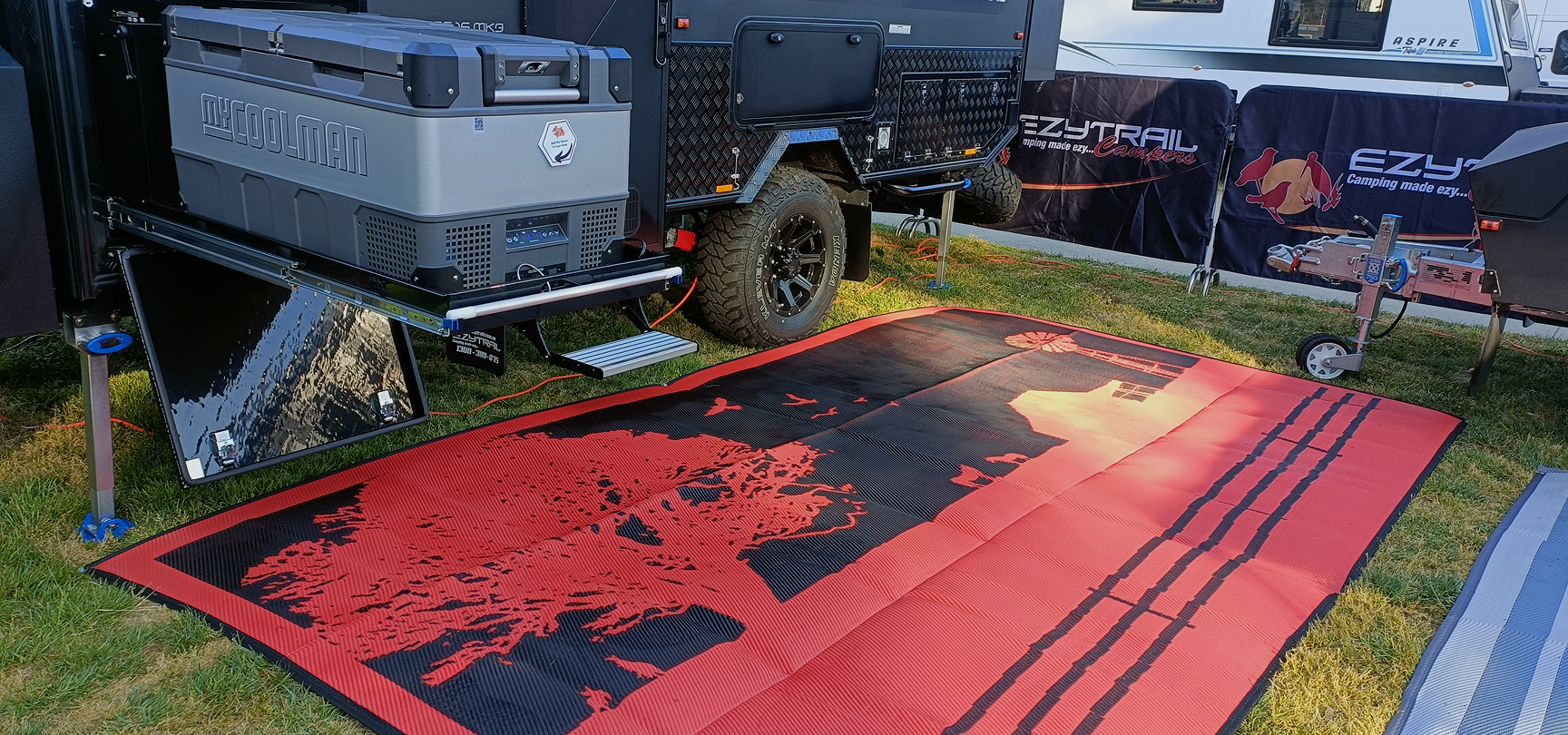
Our recycled poly camping mats use 100% recycled post-consumer polypropylene within our certified manufacturing scope, giving recovered material another practical use.
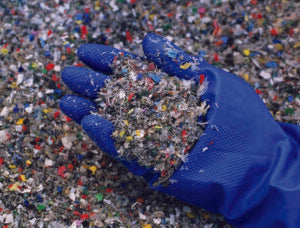
Collected post-consumer polypropylene is sorted and processed to remove unsuitable materials before being cleaned and shredded.
The recycled material is then processed into pellets ready to be used as raw material in manufacturing.
These recycled polypropylene pellets form the base material used to produce our Camping Mat Warehouse recycled poly camping mats.
UV-STABILISED FOR OUTDOOR USE
Outdoor products are exposed to UV radiation from sunlight, which can gradually cause plastics to fade, become brittle and lose strength over time.
Our mats are manufactured using UV-stabilised materials to help protect the polypropylene from UV degradation and improve durability during normal outdoor use.
UV stabilisation helps extend the useful life of the material; however, as with all outdoor products, some gradual fading and weathering may occur over time.
WHY UV STABILISATION MATTERS
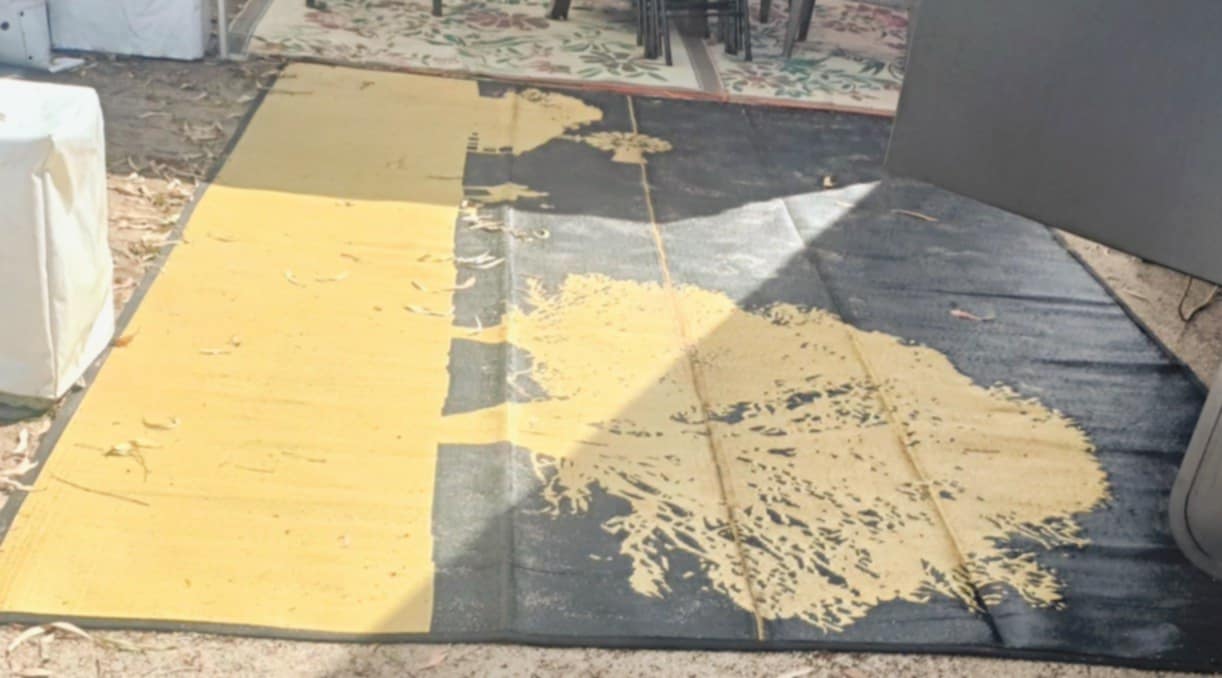
UV exposure can gradually affect outdoor plastics, particularly when products are exposed to strong sunlight for extended periods.
Without appropriate UV protection, polypropylene may experience premature fading, brittleness and deterioration, potentially reducing the useful life of the product.
This is why UV-stabilised materials are an important part of the manufacturing specifications for our recycled poly camping mats.
HOW RECYCLED POLYPROPYLENE BECOMES A MAT
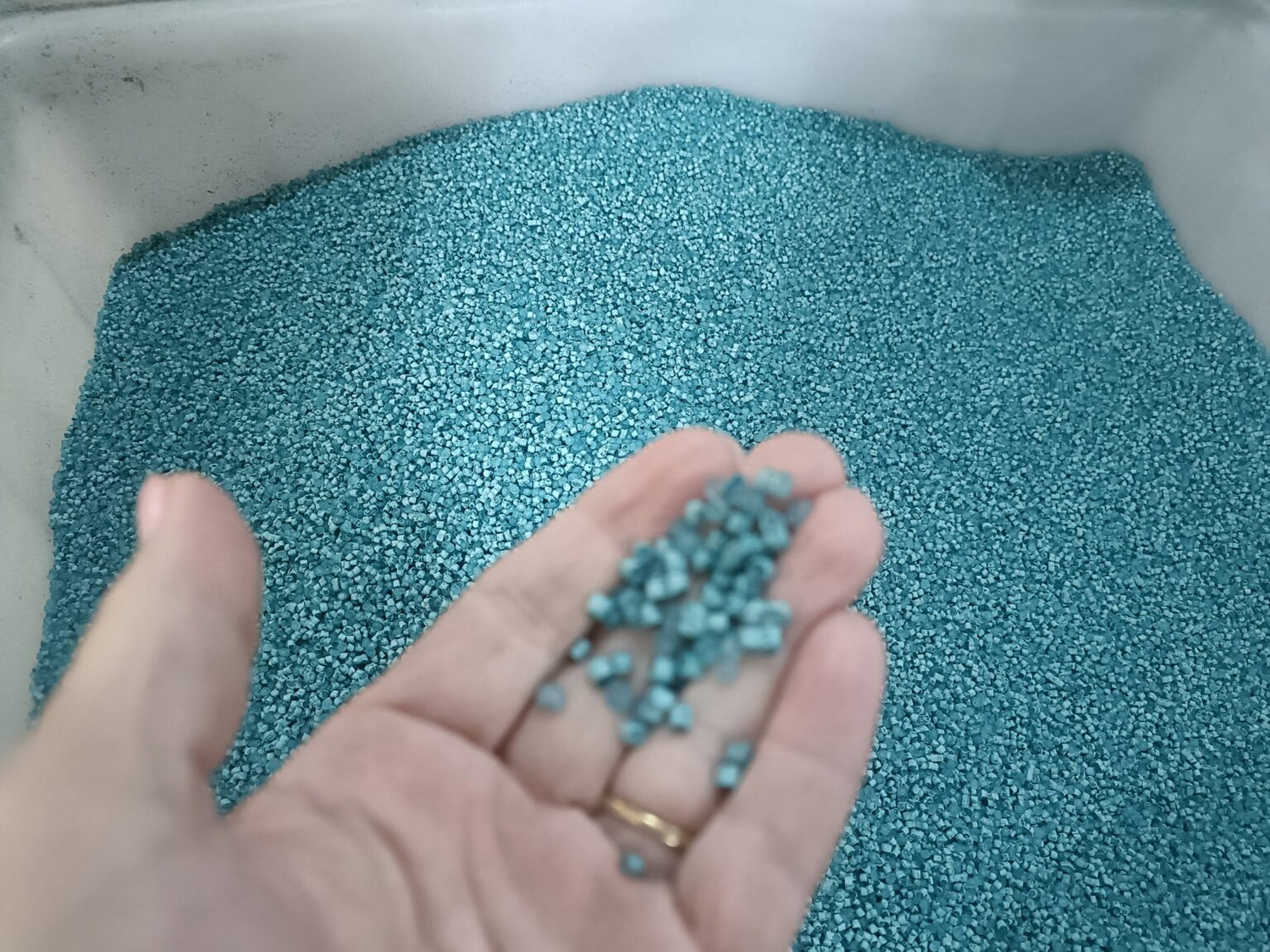
The recycled polypropylene pellets are combined with the required UV-stabilising and colour additives before being mixed ready for production.
Colour is added according to each Camping Mat Warehouse design. The materials are thoroughly mixed to help achieve consistent colour and quality throughout the production run.
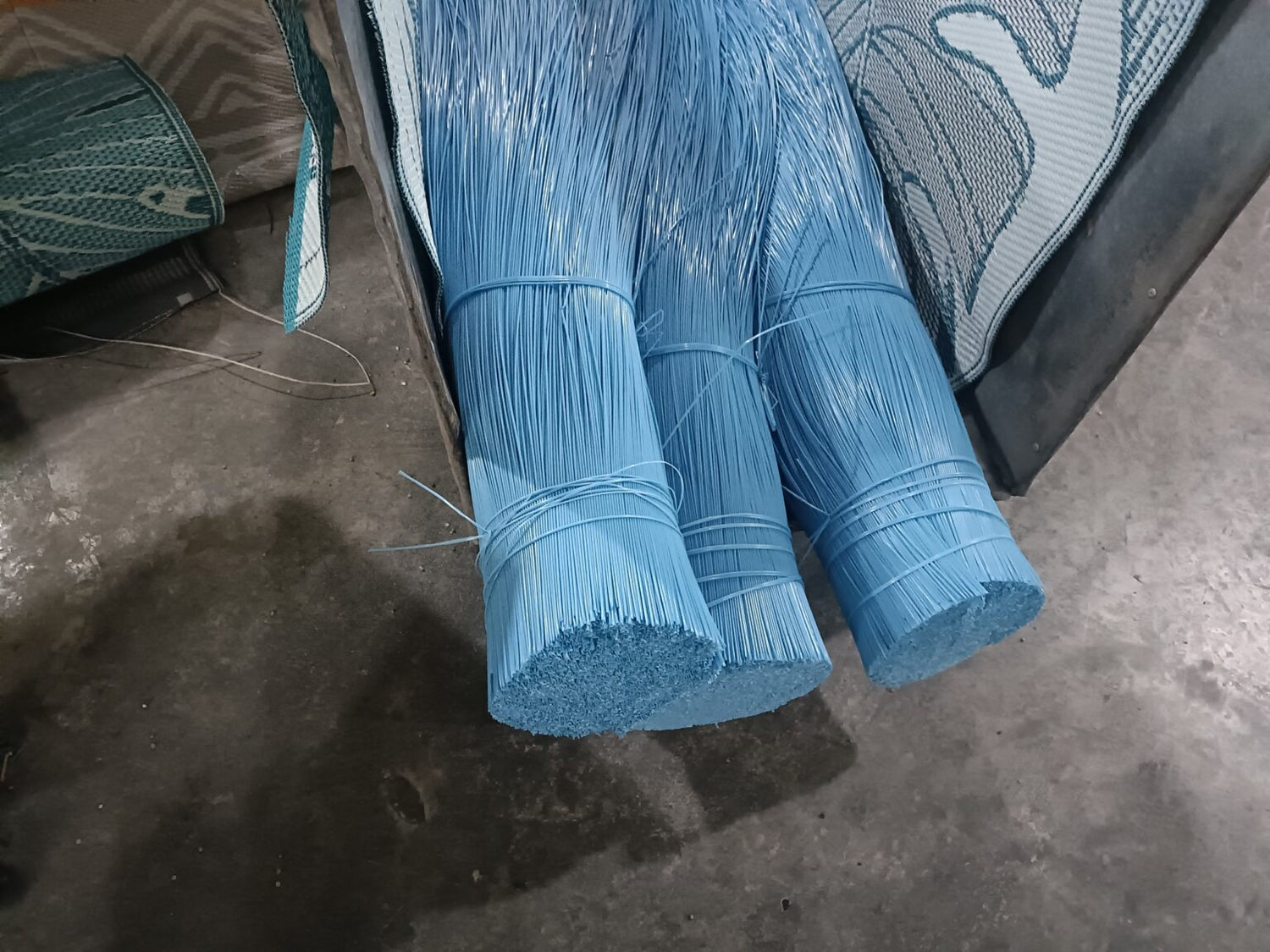
The prepared material is heated and extruded into continuous polypropylene strands at the required thickness, helping create the soft yet durable feel of our mats.
These strands are cut to length and transferred to the weaving machines, where they are woven according to the required design, size and specifications.
During production, the mats are checked for consistency and quality before being heat cut to their finished size and prepared for binding and eyelets.
SEE OUR MATS BEING WOVEN
Take a look behind the scenes at the weaving process used to turn the prepared polypropylene strands into our recycled poly camping mats.
BINDING AND EYELETS
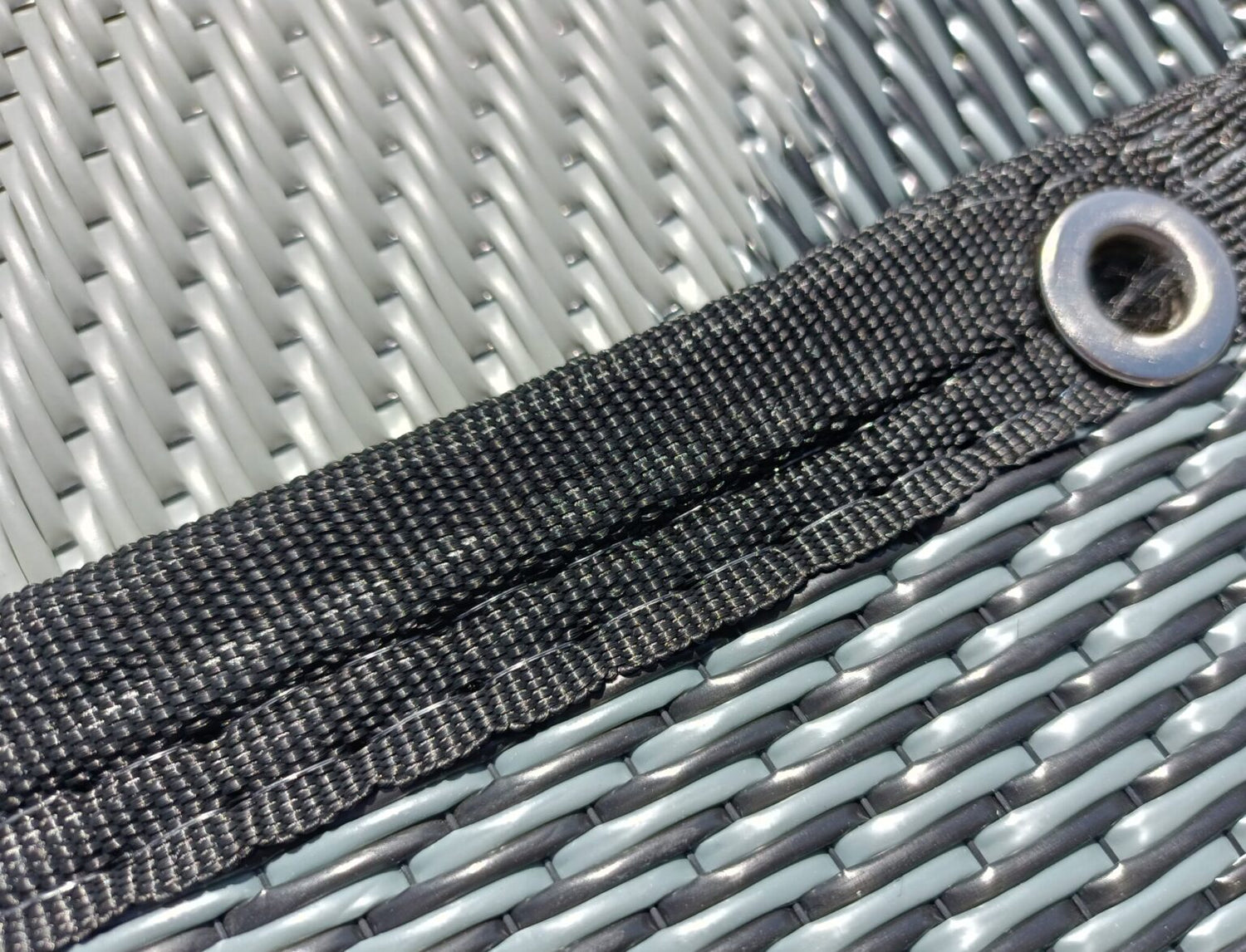
Our mats are finished with UV-stabilised binding and stitching to provide strength and durability around the edges.
We use stainless steel eyelets, selected for their durability and resistance to corrosion in outdoor conditions.
The binding is securely stitched around the mat, with eyelets positioned to provide practical anchoring points when securing your mat at the campsite.
These finishing details are an important part of creating a camping mat designed to withstand regular outdoor use.
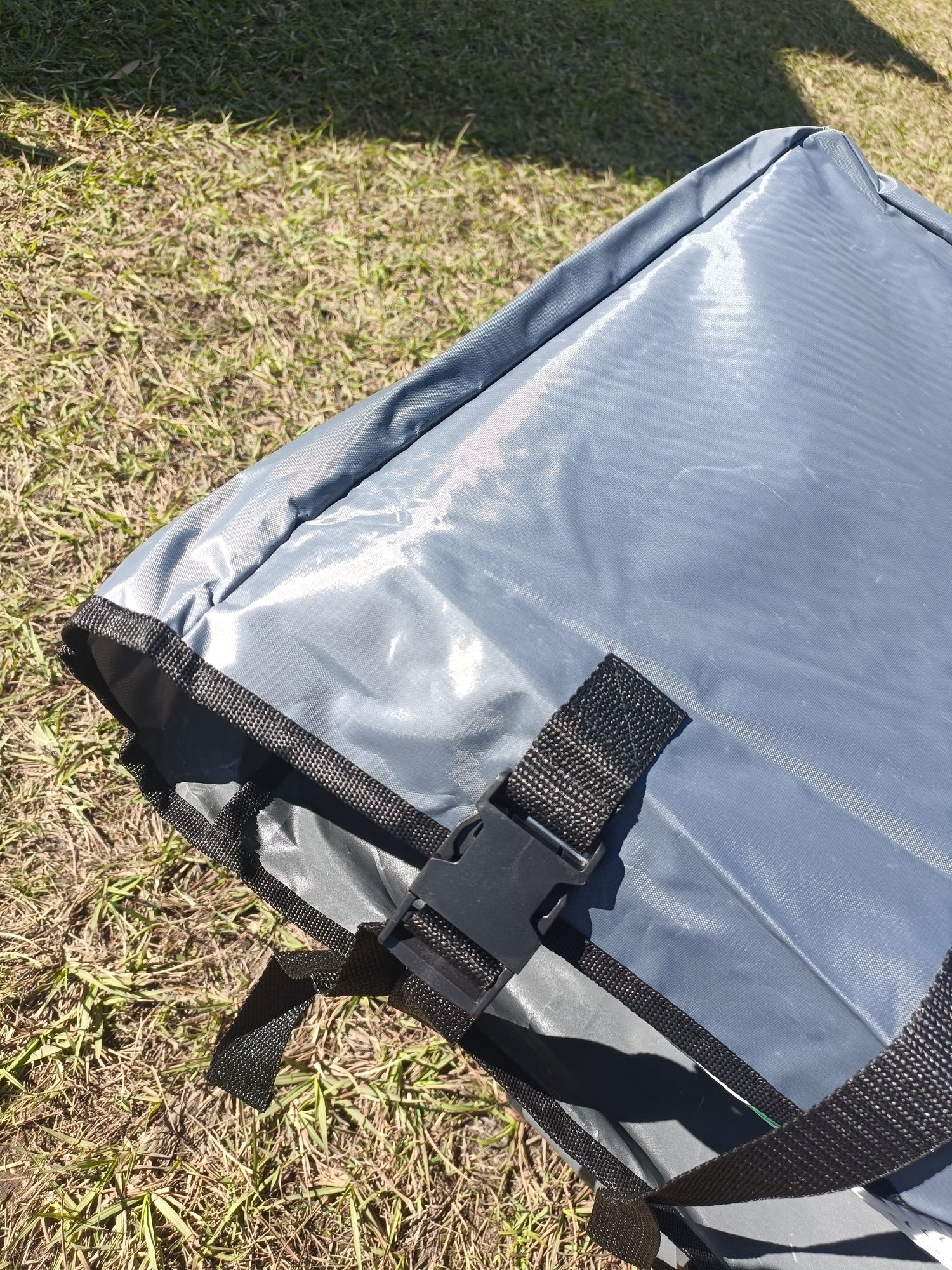
PACKAGING AND BAGS
After weaving and finishing, our mats undergo a final inspection to check sizing, finish and overall quality before being carefully folded and packed.
Eligible camping mats are supplied with a PVC-lined carry bag designed to make transporting and storing your mat easier.
When storing your mat, we recommend allowing it to dry completely before packing and leaving the carry bag slightly open where possible to allow airflow and help prevent trapped moisture and unwanted odours.
Our recycled poly camping mats are designed to be lightweight, durable and practical, making them easy to transport, use and store between camping trips.